

While the 2025 box office overall did not meet the most optimistic goals of theatre owners, one exhibitor is notably outperforming the market. While stock prices for the largest circuits AMC, Cinemark, and Marcus were all down, the share price for IMAX grew steadily throughout the year, ending up 44% higher than where it started. This excellent performance was capped off with IMAX reporting $1.28 billion in box office revenue in 2025, a 40% increase over last year and its highest level ever.
The divergence in IMAX’s performance compared to other exhibitors is largely due to changes in the moviegoing habits and preferences of consumers. The post-pandemic period has seen a sizeable increase in ticket sales to see movies on the biggest possible screen, either in an IMAX or other premium large format (PLF) auditorium.
IMAX benefits from this trend in two ways: theatres invest in offering IMAX auditoriums, and studios opt to film their new action movies using IMAX cameras and technology. A few examples of the blockbusters scheduled for 2026 release that were filmed in IMAX are STAR WARS: THE MANDALORIAN AND GROGU, NARNIA: THE MAGICIAN’S NEPHEW, DUNE: PART THREE, and THE ODYSSEY.
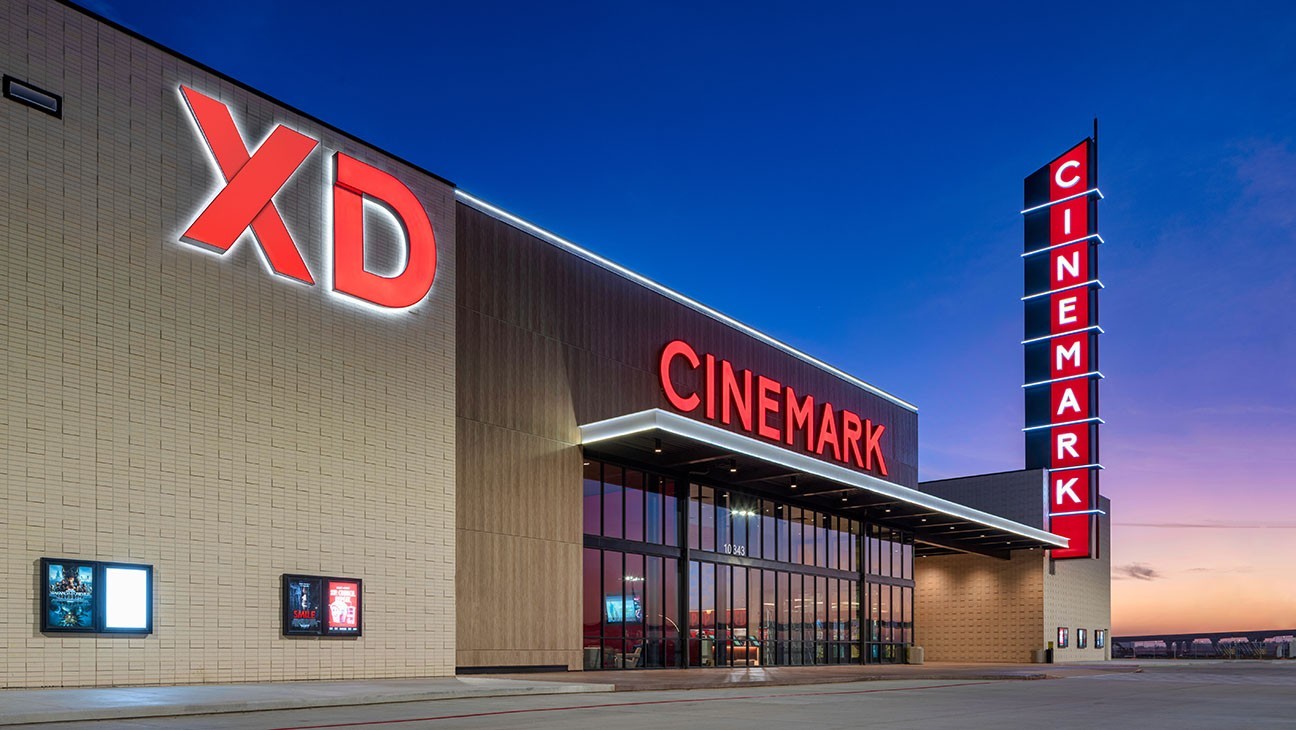
Many exhibitors have also installed their own branded Premium Large Format screens, such as AMC’s BigD, Prime and XL, Regal’s RPX, Cinemark’s XD, and Marcus’ UltraScreen and SuperScreen auditoriums. On the one hand, exhibitors are not on the hook to pay royalties to IMAX when showing movies on these in-house branded formats, which makes each ticket sale more profitable to the theatre.
They also have more control over installing luxury seating in their PLF auditoriums, an increasingly important amenity for their customers. On the other hand, IMAX has been very successful in building brand awareness with the public, as IMAX represents the best possible screen and projection format for experiencing a high-end action film.
The tension between IMAX and exhibitors has been escalating, with some reports suggesting that exhibitors are considering forming a shared brand for Premium Large Format as an alternative to IMAX. But developing and marketing a new PLF brand is a tall order, requiring cooperation between rivals and significant investment across the board.